
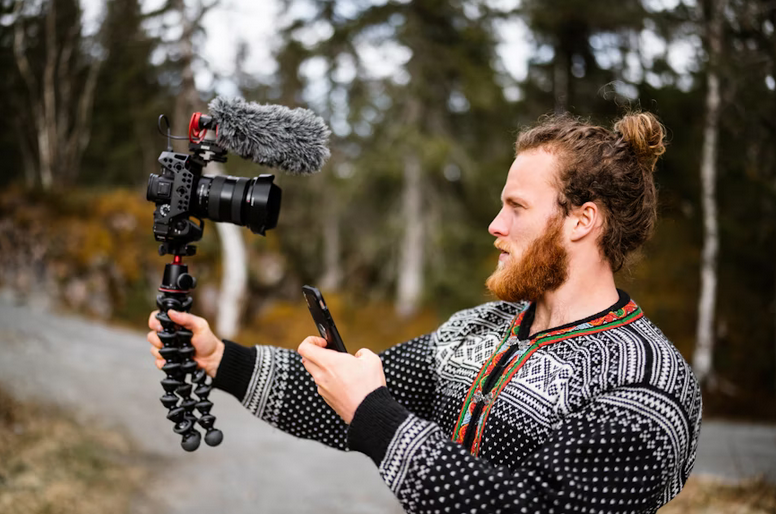
YouTube has never stopped evolving. From its early days of vlogs and cat videos to today’s cinematic productions and educational deep dives, the platform constantly reinvents itself. But lately, a fascinating new trend is taking center stage: virtual creators. These aren’t just faceless channels—they’re AI-driven or motion-captured avatars with personalities, stories, and loyal fanbases. The new face of YouTube might not be human at all, and that’s exactly what’s making it so exciting.
The Technology Behind the Transformation
The rise of virtual creators wouldn’t be possible without advanced motion capture, facial tracking, and voice synthesis tools. What used to require a studio can now be done from a bedroom with affordable software and a decent webcam. As AI-generated avatars become more realistic, even small creators can build professional-looking personas without massive budgets. Some platforms even allow users to design avatars that move and speak using AI automation—paving the way for 24/7 content creation without burnout. For new creators hoping to grow fast, learning the tech can be as important as learning how to edit. In fact, many aspiring channels look for ways to buy youtube subscribers fast to kick-start visibility and attract a first wave of engagement before their virtual persona gains traction organically.
From Face Reveal to Face Replace

It used to be that showing your real face was a sign of authenticity. Now, hiding behind a digital avatar can be just as personal. Virtual YouTubers, or VTubers, began in Japan as anime-inspired personalities streaming with motion capture and voice acting. The phenomenon spread globally, with creators blending performance art, storytelling, and gaming content in unique ways. Instead of distancing viewers, these digital faces create a safe and creative space for performers who prefer anonymity—or who want to embody a completely different identity online.
Why Audiences Love Virtual Creators
Viewers don’t just tolerate virtual avatars—they adore them. There’s something magnetic about watching an animated character express human emotion in real time. Fans connect with the personalities behind the avatars, building communities that often rival those of traditional influencers. For many, VTubers represent an escape from the hyper-curated world of mainstream content. The charm lies in the blend of fantasy and authenticity, where real emotions meet digital imagination.
The Business of Digital Avatars
Brand partnerships have quickly followed the VTuber trend. Virtual creators can model clothing, promote products, and even perform concerts—all without physical limitations. Companies see them as safe bets: they don’t age, cancel plans, or get embroiled in public controversies (at least not in the traditional sense). The line between human and digital marketing is blurring fast, and YouTube’s monetization tools are adapting to support this new wave of entertainment.
Challenges and Criticism
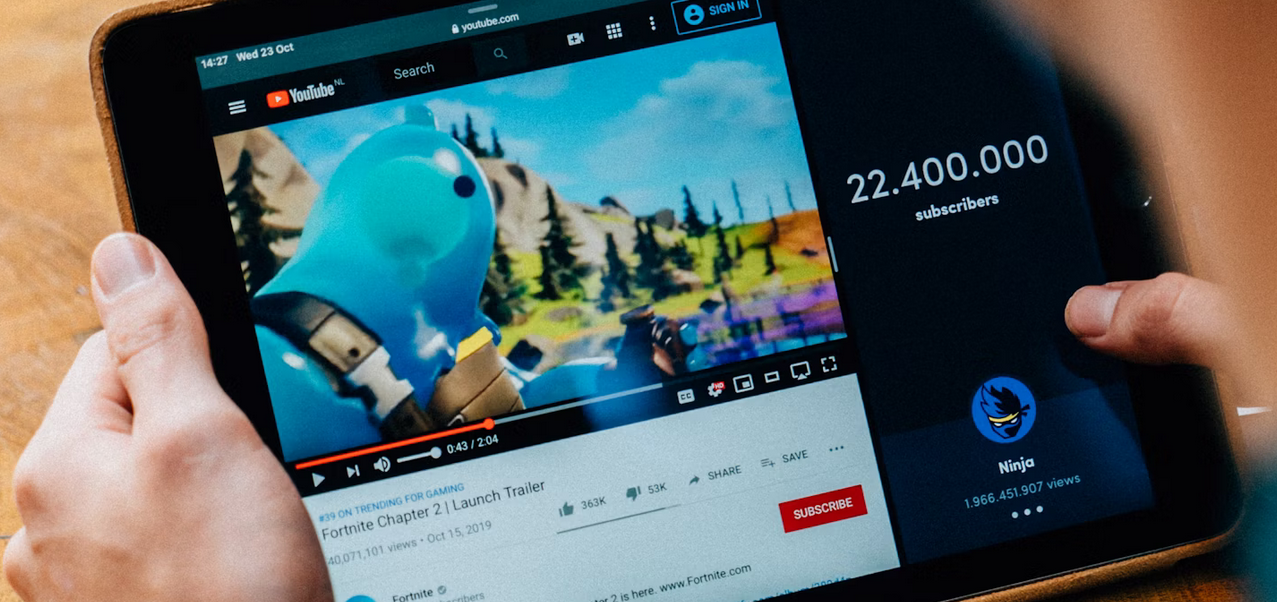
Still, the shift toward virtual personas raises important questions. What happens to authenticity when the face on screen isn’t real? Can audiences trust a virtual creator as much as a human one? Some argue that the use of AI voices and generated avatars could eventually replace real creators, making YouTube feel more like a corporate simulation than a community platform. Others see it as the next step in creativity—a way to expand what “being a creator” even means. The truth probably lies somewhere in between, as creators and viewers navigate this evolving relationship.
The Future of Both Real and Virtual
The next generation of YouTube might not choose between real and virtual—it’ll combine both. Hybrid creators who use digital avatars sometimes and real faces at other times are already redefining authenticity. Whether it’s through AI co-hosts, digital doubles, or entirely synthetic personalities, one thing’s certain: the idea of what it means to be “on YouTube” is changing fast.
As technology blurs the boundary between human and digital identity, one thing remains timeless—the connection between creators and their audiences. No matter the form that face takes, creativity will always shine through the screen.