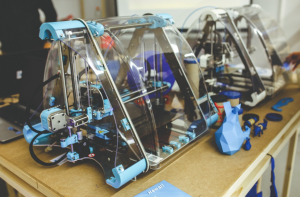
With the advent of technology, the coming of the 3D printer has become an exciting invention. In this case, the printers can create medium layers of an object in a different topic (or your choice). In this case, most consumer 3D printers use molten plastic that solidifies almost immediately after exiting the nozzle. But there are other places to print, like a relatively new one: liquid or powdered food material. Sometimes it’s easier to make a food product with a 3D printer than to do it by hand. The printer can combine powdered material with a liquid to create a massive collection of foods.
3D food printers possibly have more significant advantages in the future. In fact, NASA has worked together with a company to create food varieties with more capable printers. In this case, NASA has some goals to improve the food’s nutritional value, stability, and safety for astronauts while they are in space. It will be particularly crucial during deep space missions. Some suggest that the new printer may also have the ability to reduce world hunger as another type of food can experimentally produce beef.
 It may seem strange and ridiculous to use a printer to make various food shapes when people can obtain food quickly and easily. It is correct when you think about the limited capabilities of today’s food printers. Plus, the current 3D food printer takes a long time to release some types of food. However, there are possible advantages to producing food on a printer. These advantages should become significant as printing technology improves and printing speeds increase. Some of the potential benefits of 3D food printers are available to discuss below.
Personalized, Precise, and Reproducible Nutrition
When it comes to technology, most of them follow digital instructions. The same goes for 3D printers. When it prints foods, people can adjust the accuracy and personalized the nutrient percentage based on an individual needs. People can produce food with a particular lifestyle, gender, or even medical condition required. People can also control the number of minerals, vitamins, carbohydrates, protein, and omega-3 fatty acids intake.
Unusual and Nutritious Food Composition
Some people involved in 3D printed food cited that foreign plant or animal matter can be ground up and added to the printing powder as an advantage. For example, insects are full of protein but are not valuable as food in various civilizations. Some algae may also be nutritious and could be good to put into the mix. When 3D printing can incorporate healthy powders into the food produced, 3D printing has more advantages over regular food production.
Exceptional Food Designs, Decoration, and Textures
As the 3D printed food appearance depends on the design created to train the printer, people can produce different shapes, textures, and decorations. Printed foods can look like regular foods, such as a pizza, or have an unusual or even distinctive appearance. As long as it has created the 3D models, the printer can make foods with more elaborate decorations and designs easily than by hand.
Easy Food Preparation
3D printing can become an easier way to create processed foods than conventional methods. However, there is more to look for this part of benefits since it might be time-consuming. If you have to prepare the ingredients before using them, if you have to cook the food after removing it from the printer, this may also diminish the printer benefits.